
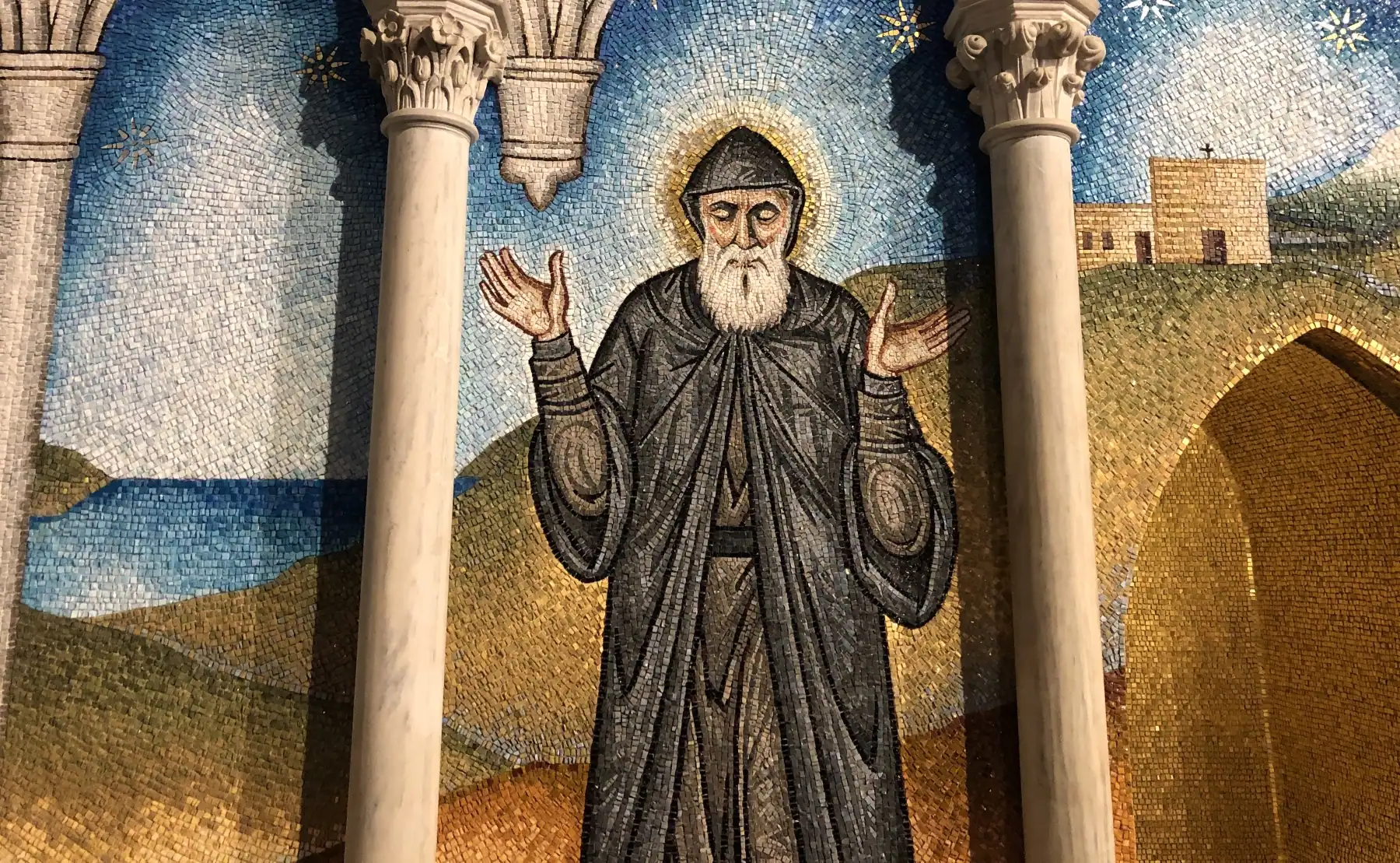
Words that carry the spirit of a man who chose silence, solitude, and God above everything else
Charbel Makhlouf was a man of extraordinary silence. Born in 1828 in the mountain village of Bekaa Kafra in Lebanon, he left home at 23, entered the Maronite monastic order, was ordained a priest, and eventually withdrew into a hermitage where he lived alone with God for the last 23 years of his life. He spoke very little. He wrote even less. He died on Christmas Eve, 1898, after suffering a stroke while celebrating Mass. The altar was, fittingly, the last place he stood.
He left behind no published works, no letters of theological instruction, no journals. What he left behind was a life.
And yet, words have been attributed to him. Passed down through the monks who knew him, through the Maronite tradition, through Lebanese families who have loved him for generations. Some of these quotes can be traced to credible sources within the Order. Others have spread widely, particularly on social media, without any clear origin.
This article presents them honestly. Where a quote can be reasonably connected to the Maronite tradition or early biographical accounts, we say so. Where a quote is widely attributed but unverified, we say that too. The words are beautiful either way. And whether Charbel spoke every one of them or not, they breathe the spirit of a man whose life was a quote in itself.
He was beatified by Pope Paul VI in 1965 and canonized in 1977. In December 2025, Pope Leo XIV became the first pope in history to visit his tomb at the Monastery of Saint Maron in Annaya, Lebanon. An extraordinary recognition of a saint who spent his entire life trying to be forgotten by the world.
On this page
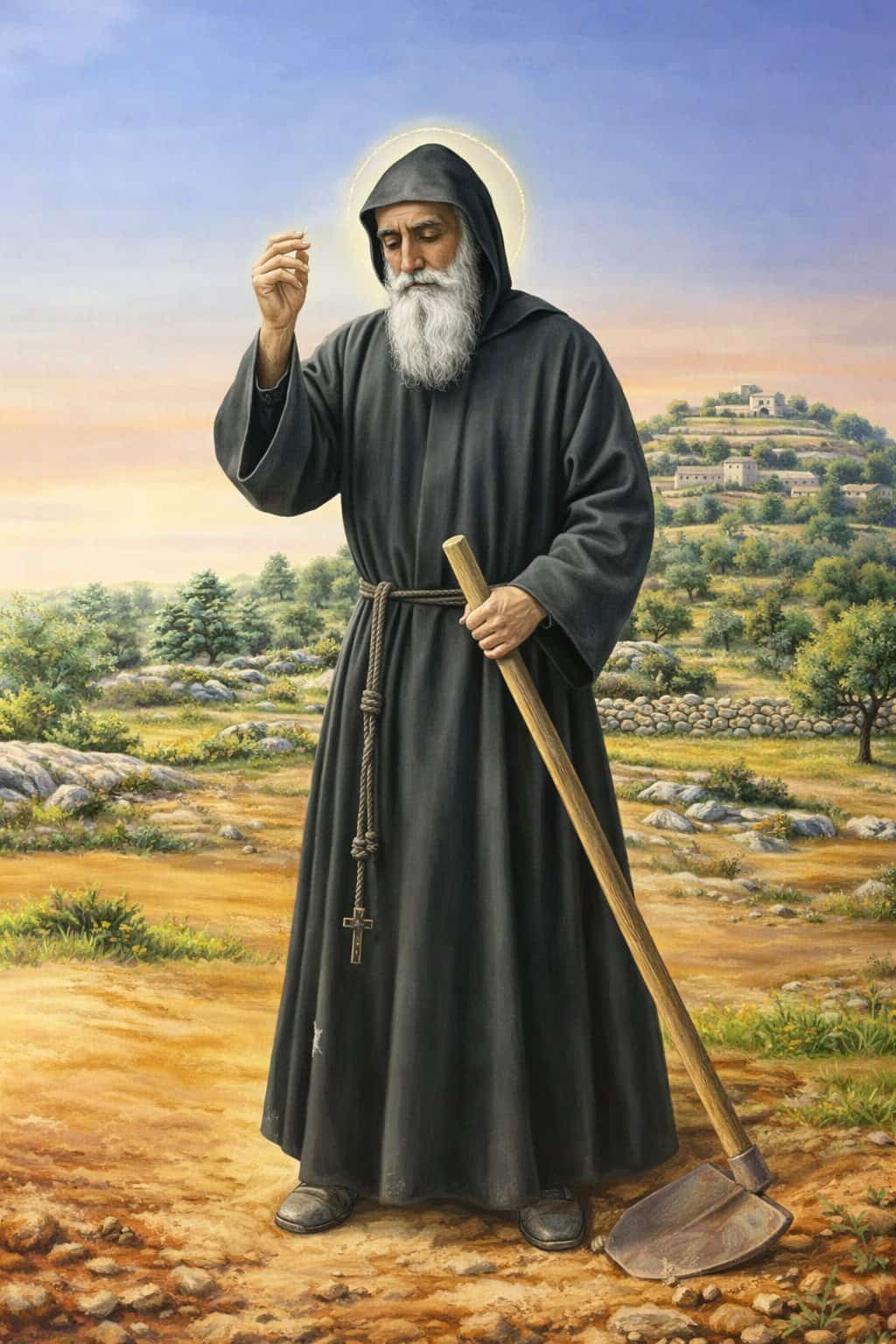
When you stand before God, you are nothing but a beggar.
Attributed to Saint Charbel Makhlouf. Source: Maronite oral tradition
This is the kind of line that stops you cold. In an age that prizes self-sufficiency, productivity, and confidence, Charbel cuts straight through it. Before God, all our achievements, titles, and accomplishments count for nothing. We arrive empty-handed.
For Charbel, this wasn’t a discouraging thought. It was a liberating one. A beggar doesn’t pretend. A beggar doesn’t perform. A beggar simply holds out open hands. And in that posture of total emptiness, Charbel believed, God could finally work.
This quote reflects the core of his spirituality: kenosis, the complete emptying of self before the divine. It is thoroughly consistent with everything we know of how he actually lived.
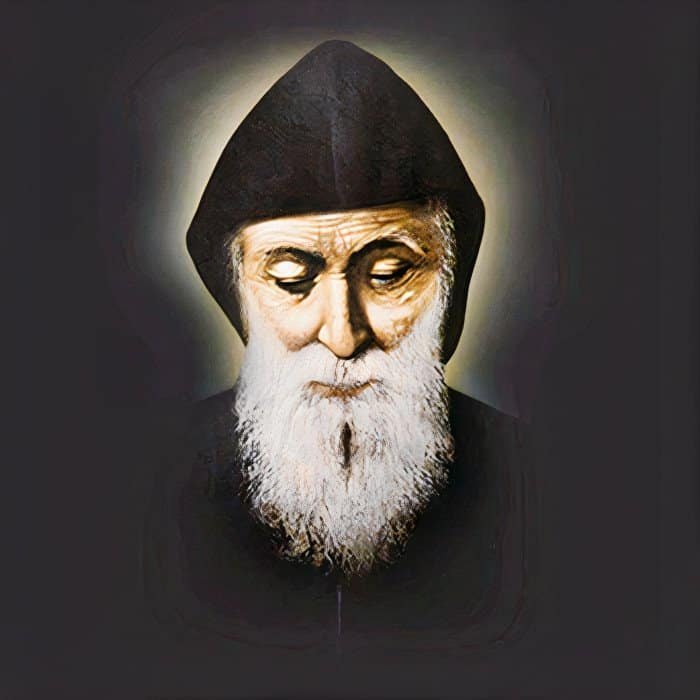
God knows our whole being. Those who ask for His grace with confidence will not be disappointed. Ask Him to give you all you need.
Attributed to Saint Charbel Makhlouf. Widely circulated, origin unverified
This quote is one of the most widely shared attributed to Charbel, and its origin is difficult to pin down precisely. But its theology is impeccable. It echoes Matthew 7:7, the Psalms, and the entire Catholic tradition of confident intercessory prayer.
What makes it feel authentically Charbel is the word “all.” Not just what you think you deserve. Not just the safe requests. All you need. Charbel was a man of radical trust, a man who gave up family, comfort, and the world itself because he believed God was enough. This quote breathes that same total trust.
Pray and trust in God. He knows what you need before you even ask.
Attributed to Saint Charbel Makhlouf. Widely circulated, origin unverified
Again, this is unverified in its direct attribution but deeply rooted in Scripture. It echoes Matthew 6:8, where Jesus tells his disciples that their Father knows what they need before they ask. Whether Charbel said these exact words or not, this was the conviction he lived by every single day for 23 years in a hermitage.
He didn’t pray to inform God. He prayed to be with God. There’s a difference, and this quote captures it.
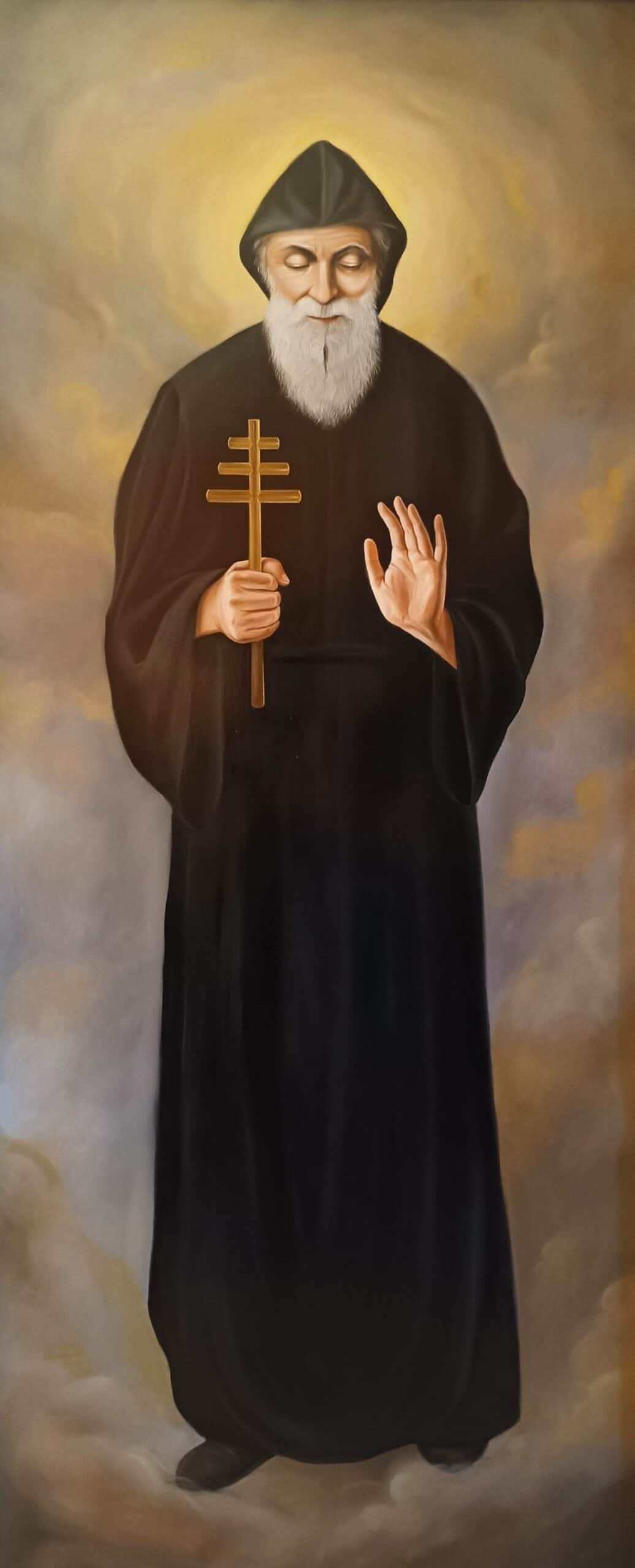
The world never gives you anything except promises. God alone delivers.
Attributed to Saint Charbel Makhlouf. Widely circulated, origin unverified
Charbel’s choice to become a hermit was, among other things, a statement about the world. He had watched Lebanon suffer. Ottoman occupation, civil war, the economic collapse of the silk crisis that drove thousands of Lebanese families, including his own brothers, to emigrate to the Americas. The world, for him, was a place of broken promises.
This quote is not pessimism. It’s clarity. He isn’t saying the world is evil. He’s saying it cannot deliver what only God can. The hermitage was not an escape from life. It was a pursuit of the only thing that truly lasts.
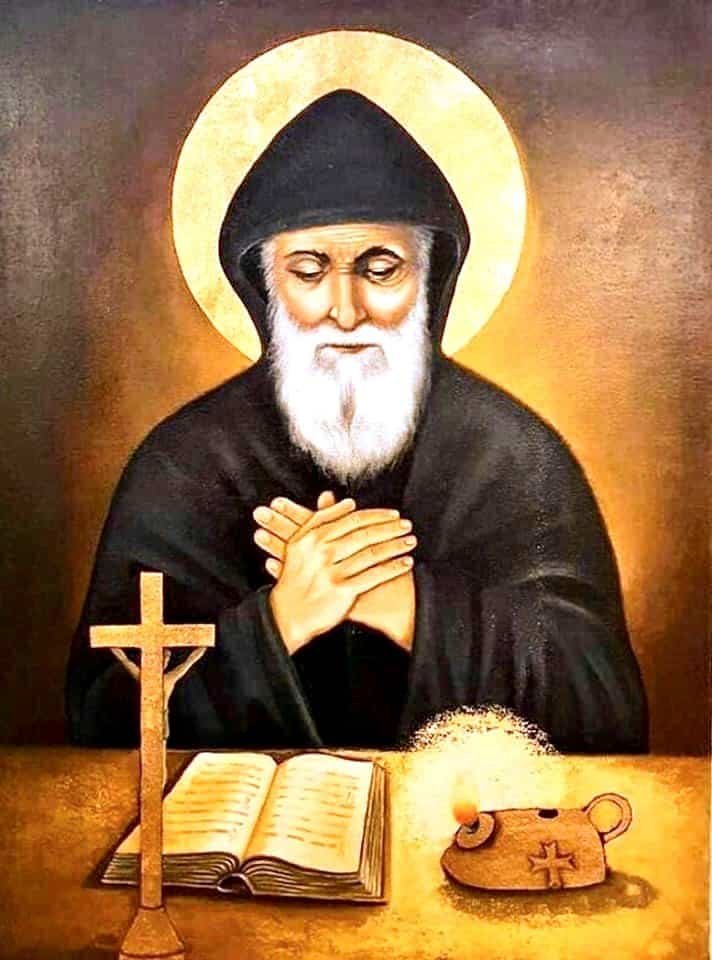
Detach yourself from the world, because its noise prevents you from hearing God.
Attributed to Saint Charbel Makhlouf. Widely circulated, origin unverified
This is perhaps the most emblematic Charbel quote of all, and one of the most relevant for our time. In 1898, the noise he referred to was the noise of daily life, markets, politics, and social obligation. In 2025, that noise has multiplied beyond anything he could have imagined.
Charbel’s entire monastic life was an act of radical listening. He removed every possible distraction so that he could hear what he believed was the most important thing in the universe: the voice of God. Whether or not he said these exact words, he said them with his life every single day.
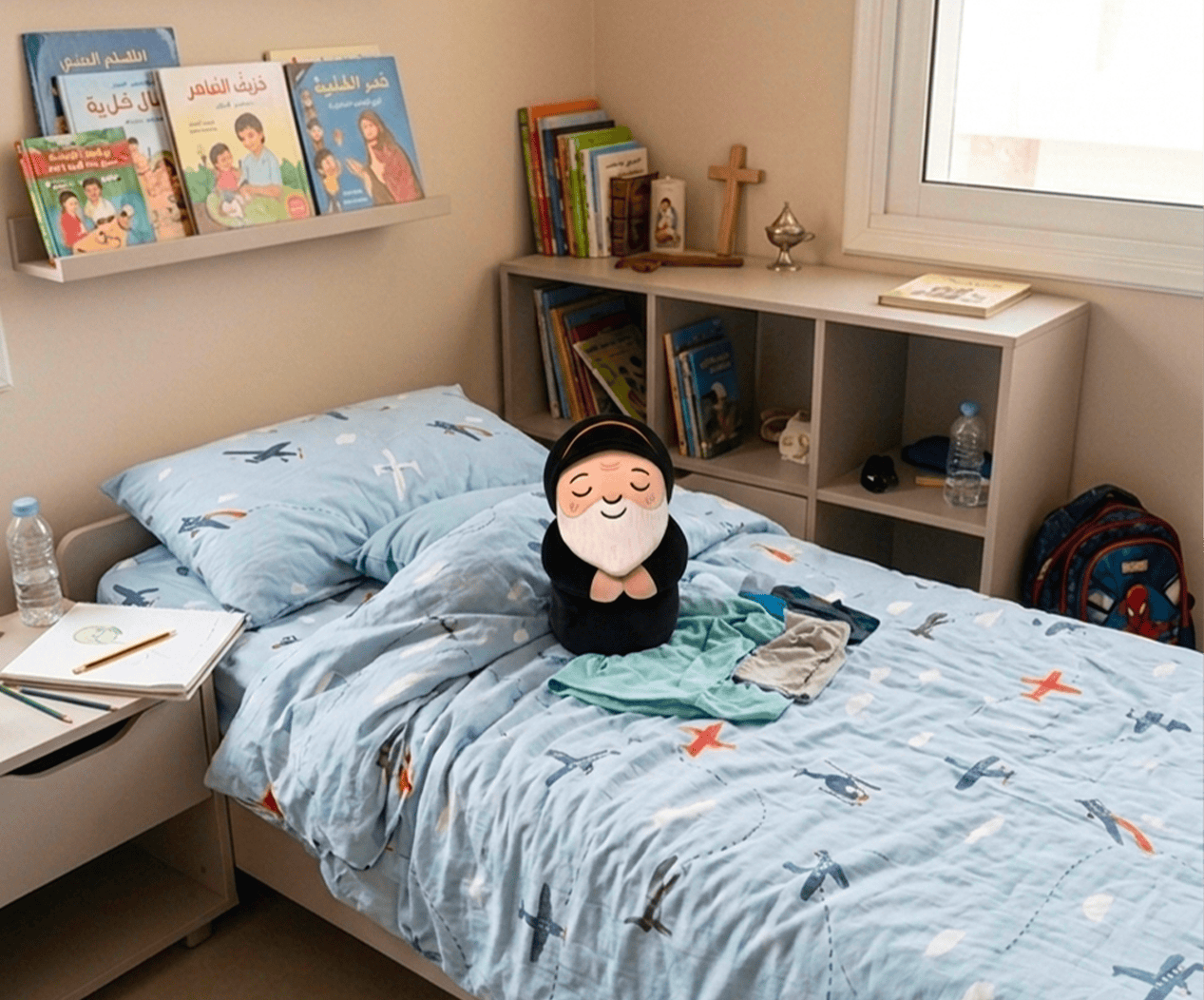
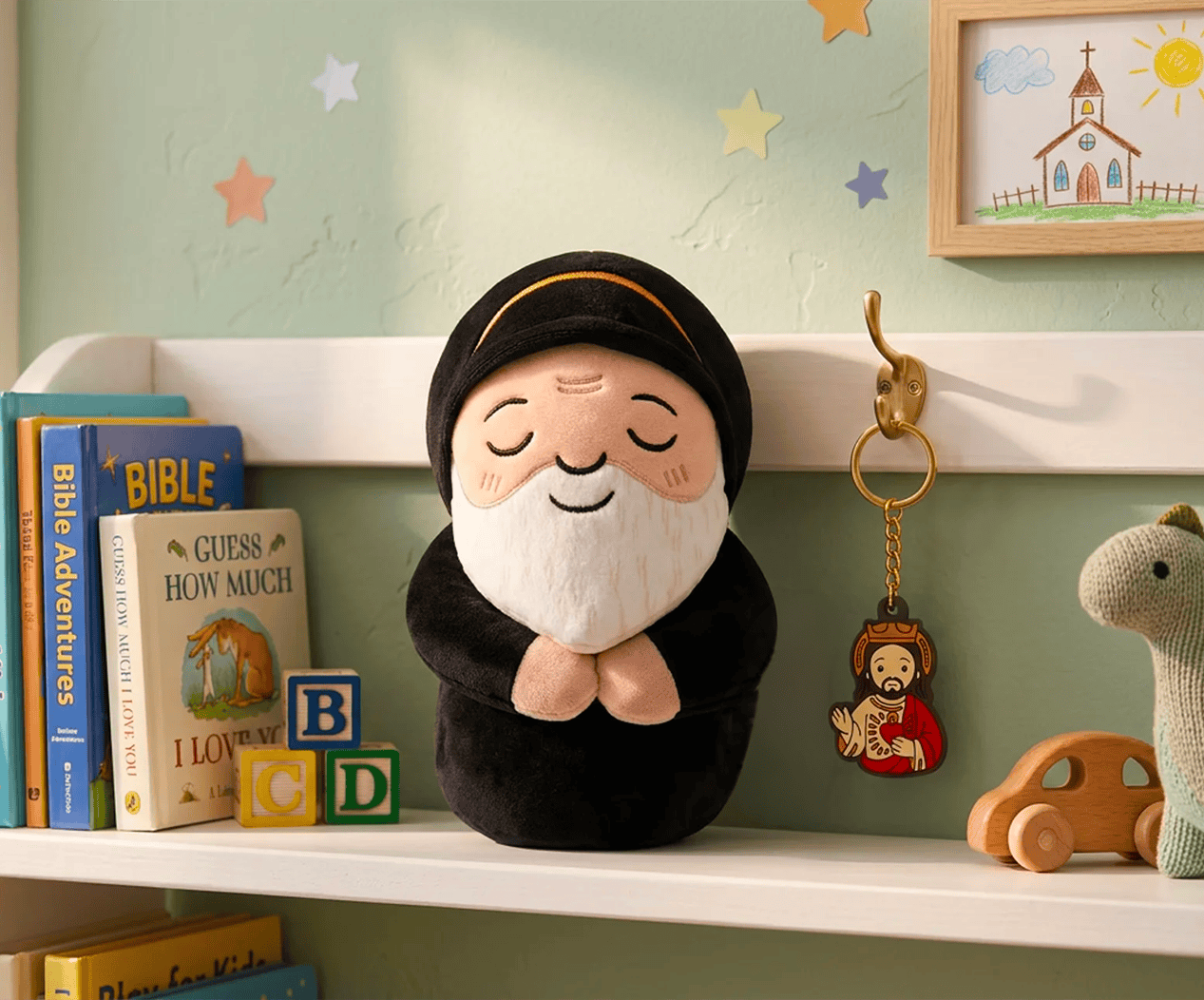
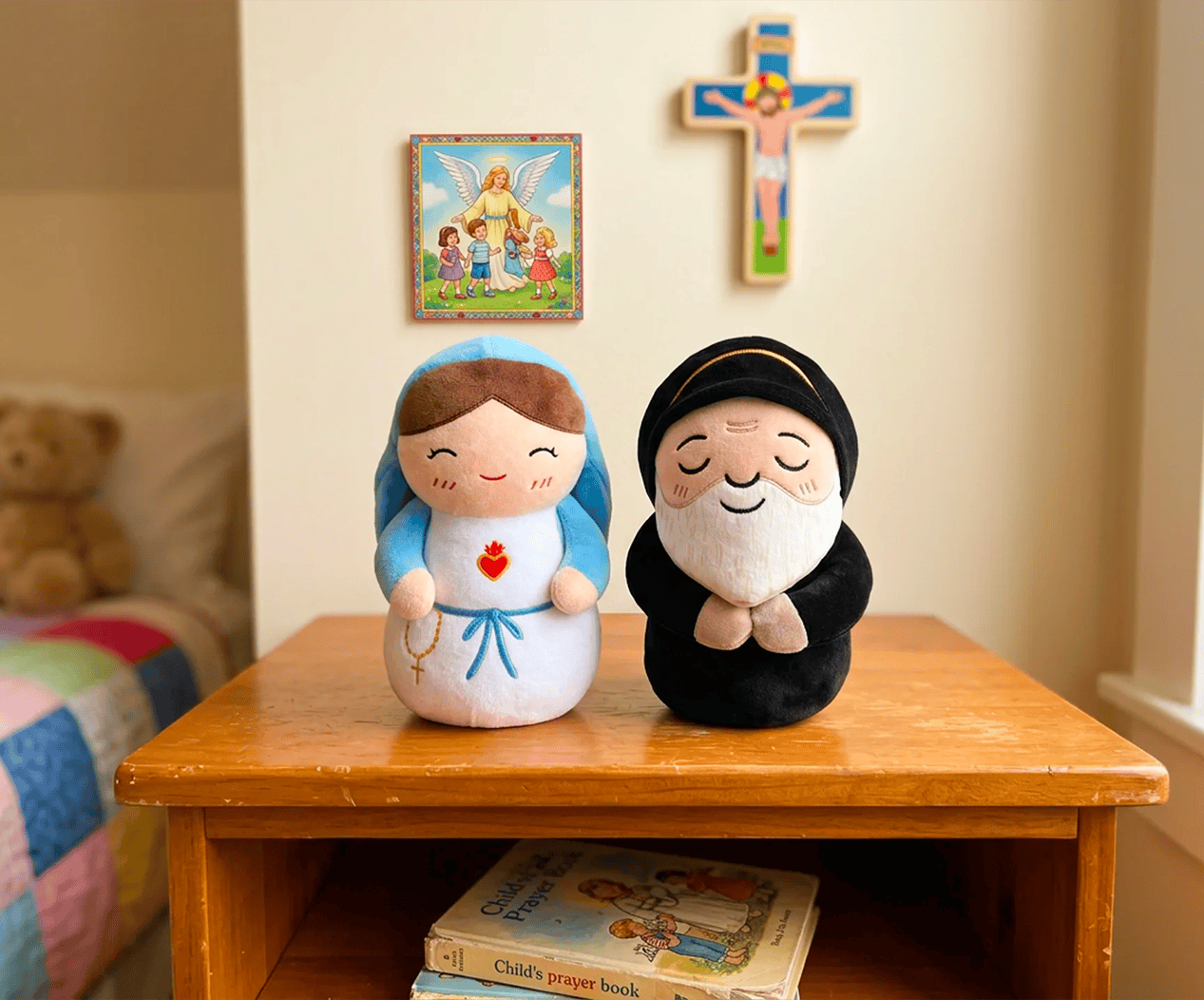
One of the most striking things about the quotes attributed to Charbel is how many of them concern the family. A Saint Charbel set is one way that warmth stays within a child’s reach. This is remarkable for a hermit who lived alone. But it makes sense. He came from a tight-knit Lebanese Maronite family, a culture in which the family is sacred. And his mystical insight apparently kept returning to it as the frontline of spiritual battle.
Preserve the warmth of the family, because the warmth of the whole world cannot make up for it.
Attributed to Saint Charbel Makhlouf. Source: Lebanese Maronite tradition
This is one of the most beloved quotes attributed to Charbel in Lebanese culture, and it is cited in various forms across Maronite devotional literature. Its origin is attributed to words passed down through the monks and laity who knew him.
The word “warmth” is deliberate and beautiful. Not the structure of the family, not the rules, not even the faith. The warmth. The lived, felt, human reality of belonging to people who love you. Charbel, who chose to leave his family for God, apparently never stopped understanding what he had left behind, and urging others to treasure it.
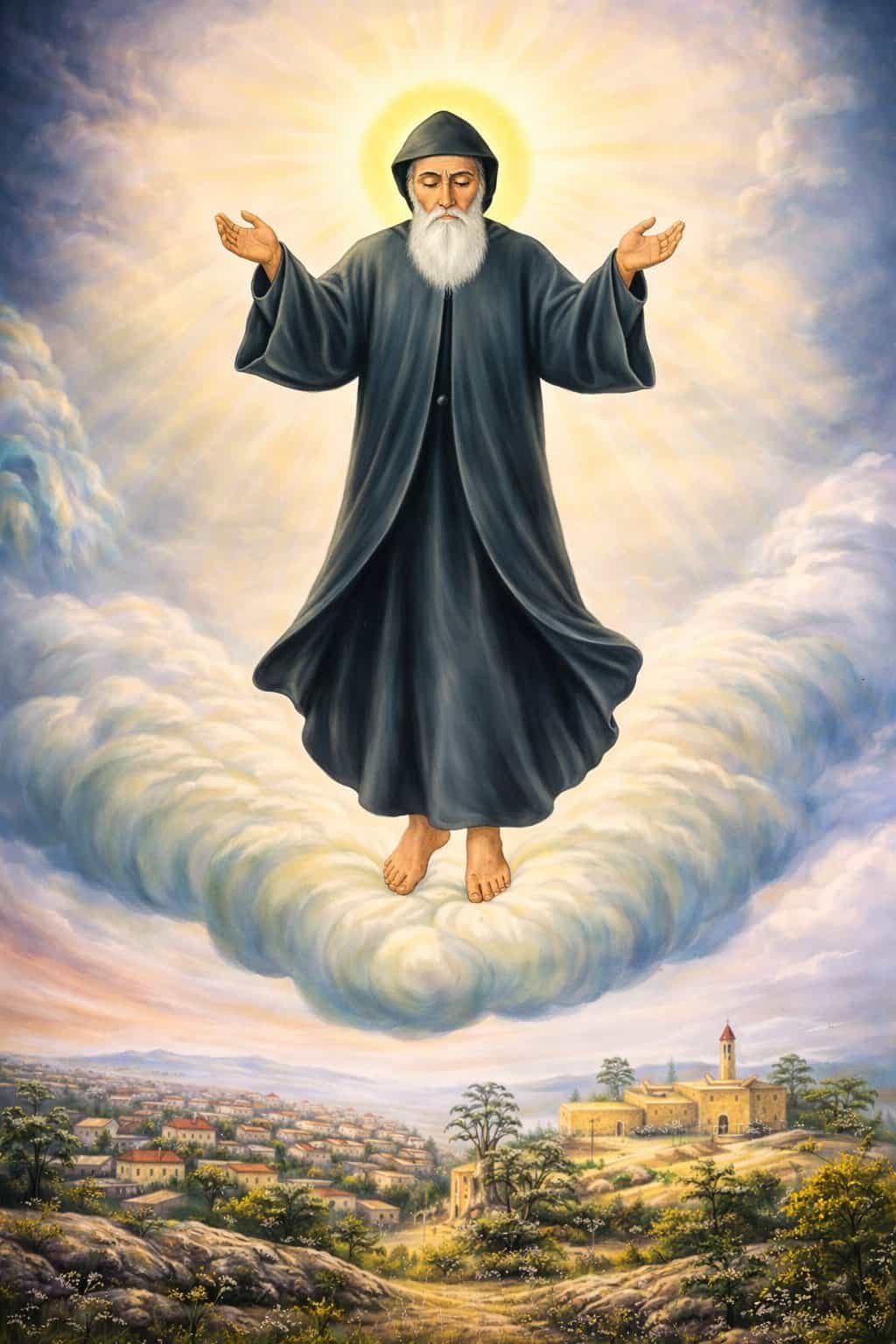
The family is the basis of the Lord’s plan and all the forces of evil aim to demolish it. Uphold your families and guard them against the grudges of the evil one.
Attributed to Saint Charbel Makhlouf. Widely circulated, origin unverified
This quote is more explicitly theological and reads somewhat differently from the simpler, more aphoristic quotes. Its origin is unverified, and some scholars suggest it may have been composed in the spirit of Charbel’s teaching rather than recorded directly from him.
But its content is thoroughly consistent with Catholic social teaching and with what Lebanon itself has lived. A country whose families have been torn apart by war, emigration, and poverty. The idea that the family is not just a human institution but a divine one, and therefore a target, resonates deeply in the Lebanese Catholic tradition.
The war of the evil one against the Lord is his war against the family, and the war of the evil one against the family is the core of his war against the Lord.
Attributed to Saint Charbel Makhlouf. Widely circulated, origin unverified
This is a striking, almost poetic formulation. It works as a chiasm, a literary structure where the second half mirrors the first in reverse. That kind of careful construction suggests it may have been written down thoughtfully rather than spoken spontaneously. Its exact origin remains unverified.
But the insight it contains is profound: that attacks on the family and attacks on God are not separate wars. They are the same war. For anyone paying attention to the culture, it’s hard to dismiss.
The things that go on within you are more important than those that take place in your life.
Attributed to Saint Charbel Makhlouf. Widely circulated, origin unverified
Charbel spent 23 years in a hermitage. From the outside, almost nothing happened in his life. He woke, prayed, worked, prayed again, slept. No travels, no publications, no public ministry worth noting. His entire existence was oriented inward and upward.
This quote is the theological justification for that choice. The interior life, the state of your soul, your relationship with God, your freedom from sin and attachment, matters more than your external biography. It is a counter-cultural idea in every era, and perhaps especially in ours.
You exist in this world to give and to serve.
Attributed to Saint Charbel Makhlouf. Widely circulated, origin unverified
Short, direct, and impossible to argue with. This quote is entirely consistent with the Gospel and with Charbel’s life, a man who gave everything, literally everything, to God and to prayer on behalf of others.
There is something almost jarring about a hermit saying this. But that’s the point. He was not serving himself. He was serving God and, through his intercession, the entire world. The hermitage was not selfishness. It was total gift.
A person desires many things they do not need and needs many things they do not desire.
Attributed to Saint Charbel Makhlouf. Widely circulated, origin unverified
This is one of the most philosophically elegant quotes attributed to Charbel. Its structure, the reversal of desire and need, is memorable and true. We crave things that won’t fill us. We avoid things like humility, sacrifice, and prayer that would actually transform us.
Whether Charbel formulated this exact sentence or not, he lived it. He desired nothing the world offered. And what he needed, God, he pursued with his whole being for 70 years.
Arm yourself with the rosary, for the name of the Virgin Mary dispels the darkness and crushes the evil.
Attributed to Saint Charbel Makhlouf — source: Lebanese Maronite devotional tradition
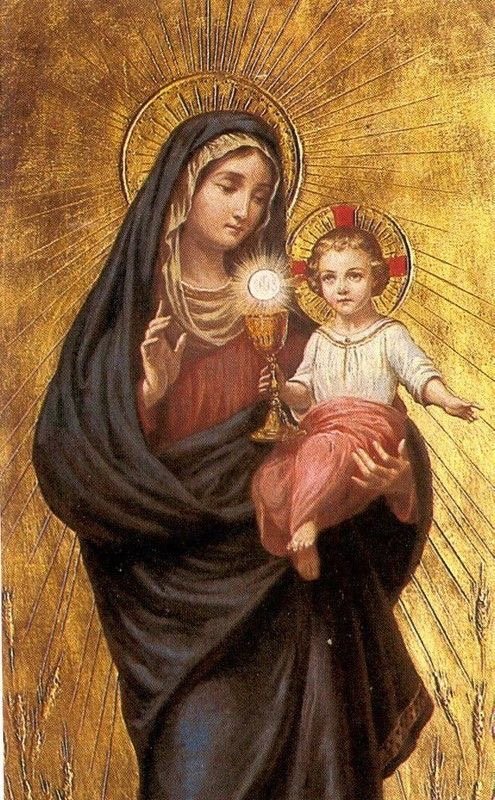
Charbel’s devotion to the Virgin Mary was profound and lifelong. As a boy, he built a small shrine to her in a cave near his village. As a monk, Marian prayer was woven through every hour of his day. This quote, while unverified in its exact wording, is widely cited within the Maronite tradition and is consistent with everything known about his spirituality.
The military language, “arm yourself,” is striking. This is not the Rosary as a gentle meditation. It is the Rosary as a weapon, a shield, a force against darkness. The Maronite Church has always understood Mary as a powerful protector, and Charbel apparently shared that conviction completely.

Begin nothing on earth unless it has its end in heaven. Do not walk on a path that does not lead to heaven.
Attributed to Saint Charbel Makhlouf. Widely circulated, origin unverified
This is the most radically otherworldly of all the quotes attributed to Charbel, and perhaps the most challenging. It doesn’t say “make sure your projects are ethical” or “balance earthly and heavenly goals.” It says: if it doesn’t lead to heaven, don’t start.
For a man who spent 23 years in a hermitage, this was not a metaphor. It was a literal operating principle. Every hour, every prayer, every fast was oriented toward one destination. Everything else was noise.
It is worth sitting with the discomfort of this quote rather than softening it. Charbel meant it.
Reading these quotes, you notice something. They are not complicated. They don’t require a theology degree to understand. They are direct, sometimes blunt, occasionally uncomfortable. They sound like a man who had no time for anything except the truth.
That was Charbel.
He was not a writer or a preacher. He was not trying to build a following or leave a legacy. He was, by all accounts, trying to disappear, into prayer, into silence, into God. The fact that his legacy ended up being one of the most extraordinary in modern Catholic history, with over 33,000 miracles attributed to his intercession and a Pope kneeling at his tomb in 2025, would probably have bewildered him.
When you read these quotes, read them against the backdrop of a man who lived in a stone hermitage, who slept on a plank, who wore a hair shirt, who spent more hours in a day before the Blessed Sacrament than most people spend in prayer in a year. The words take on a different weight when you know the life behind them.
We may not be able to verify every quote. But we can verify the man. And the man was extraordinary.
At Saint Plushie, Saint Charbel holds a special place. He is the patron saint of Lebanon, the country where our story begins, and a reminder that holiness is not about grand gestures but about quiet, faithful perseverance. One day at a time. One prayer at a time.

He chose silence and God above everything. For a child, that starts with something soft they can carry.